Anti-Slavery Movement in Brandon
The Baptist Church (next to the museum)
Brandon’s local anti-slavery society was founded here in 1834, just six weeks after the national society was formed. In 1837 the Vermont anti-slavery society met here, and in 1844 an escaped slave spoke here. The church retains its anti-slavery resolutions in its records.
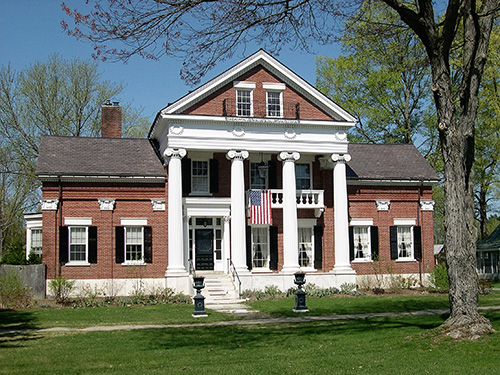
The Rodney Marsh House (11 Pearl Street)
Rodney Marsh was an anti-slavery legislator and orator. It is possible this fine Greek Revival house harbored runaway slaves in the 1850s. This is a private residence.
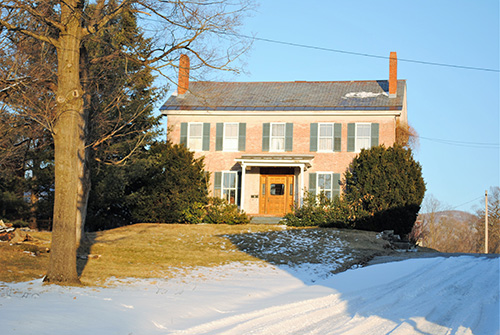
Orson Murray House (5 West Seminary Street)
This brick house, set back from the street, was the home of Orson Murray (1806-1885), one of the first anti-slavery organizers and publishers in America. He settled in Brandon in 1833 and lived in this house until 1842. This is a private residence.
Green Park (next to the lower falls of the Neshobe River)
Two anti-slavery newspapers were published in Brandon at the printing office, which was located on the site of this park. This building’s foundation is now the base of the park’s pavilion.
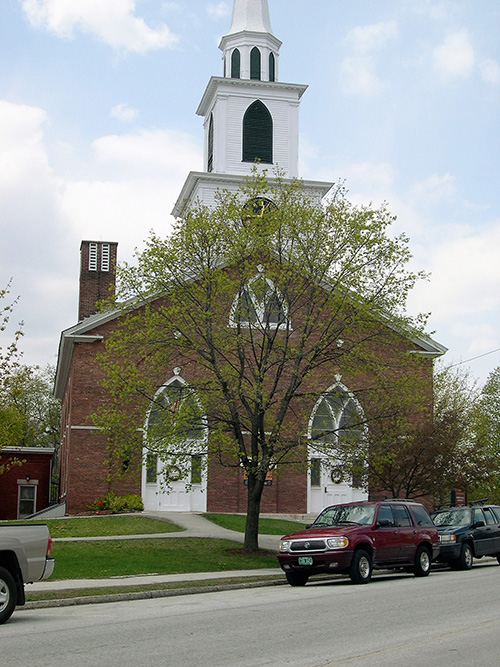
The Congregational Church (on the town green)
The leading abolitionist Beriah Green was pastor of this congregation in the 1820s. Nevertheless, as late as 1842 the Congregationalists were generally hostile to anti-slavery. In that year the Brandon church expelled the abolitionist Jedediah Holcomb. The church eventually adopted an anti-slavery position in 1845.
Click each image below to enlarge!